
Overview
My plan upon joining WaterBear was to devote my FMP to a release, but as I devoted my time to my studies, I feared it would be an unwise decision – not because it can’t be done, but because I wasn’t ready. Production has never been a strength of mine, and I believe this reluctance to sit down and demo my songs has also hindered my ability to emulate the creative decisions I make when recording and producing once I’m back on the stage. I began combatting this last term by recording draft takes of many of my songs, allowing me to further memorise them, workshop harmonies, and network with producers after placing them on my website as part of a track portfolio.
Now armed with a strengthened resolve and newfound collaborators, my first deliverable is three full demos presented via my website’s portfolio page, forcing me to build a consistent habit of recording rather than outputting one demo a term. From there I can replicate, or at least approximate, the broader range of artistic expression afforded to me in a DAW live using a pedalboard I’ll be prototyping this term and investing in post-uni – with a performance on this prototype being my second deliverable.
For my third and final deliverable, I’ll be developing an EPK for my website, where I’m also presenting this hand-in as a semi-deliverable in and of itself. These pages demonstrate aesthetic/USP more broadly, presenting a brand image cohesive with my sonic profile that incorporates everything I am and everything I do into one place. These deliverables all tie into each other, emphasising my creative, technical, and professional skills, with my contributions clearly delineated from that of my collaborators throughout.
Lastly, I’ll be undertaking research exercises throughout to contextualise my work amongst that of other artists, improve my understanding of the industry, and inform my future business/career decisions as detailed in my S2.
Personnel



Research & Development
Ongoing Research
Deep dives into the specially chosen topics summarised within my development diary. Click to expand.
Recording
While I neither produced my demos nor recorded them alone, I still wanted to refresh myself on the basics to ensure I wasn’t making things harder for Eve. I chose to focus on home recording for authenticity and replicability and used two microphones, which carries a risk of phase cancellation – occuring when the waveforms of each mic “do not align”, resulting in “a lifeless, often dull recorded sound” (The Acoustic Guitarist, 2025). With Eve more than competent enough to scout those out with her mic placement, our largest remaining obstacle was the room itself. Soundproofing was an option, but according to SoundOnSound, capturing an authentic room sound is usually better than “trying to deaden a domestic room on the cheap” (Senior, 2010).
Multiple reverbs are integral to my sound, as not only are “varying levels of reverb on different tracks” used to “create the illusion of depth” in mixing (Mastering The Mix, 2021), but one of my biggest inspirations that I’ve talked to near-death about over the course of my time at WaterBear is Jeff Buckley. His sound was achieved by producer Andy Wallace, who placed multiple stereo reverbs of different lengths on his guitar to create a lush, breathing, yet clear tone (Mix with the Masters, 2020). I learned how to approximate this from Paul Davids (Davids, 2021), and sent Eve those materials.
Social Media
I’m already on YouTube and Instagram, with a Twitch that needs rebranding and an interest in using Bandcamp as explored in WB08 and detailed in my development diary. Off the back of my case studies, I’ve decided I’ll start using Facebook and TikTok as detailed in S2, but not Soundcloud and X – here’s my reasoning.
Soundcloud is a curious case, as it still has undeniable value for those who dedicate the time to it – but can also prove expensive (Bianconi, 2021), with that value depending heavily on genre (Jackson, 2022). It also inhabits an unconventional space in the market, with PCMag UK noting that unlike Bandcamp, you can’t sell merch and music through the platform, leaving it “a unique streamer that’s part distribution service” (Wilson and Zamora, 2024). Given my plans to engage with both a distributor and Bandcamp, it seems redundant to me currently unless I devote a lot of energy to making it a core part of my brand identity, which seems unwise considering both my material and USP.
X meanwhile is haemorrhaging users “in droves” (O’Flaherty, 2024) and has been losing key advertisers since 2022 according to CNN (Ziady, 2024), leaving some wondering how professionally useful continued engagement with the platform is (LittleMediaAgency, 2024) as it starts to lose relevancy, particularly for musicians judging by its exclusion from recent articles aimed at the demographic (Fenton, 2023) (Recoup, 2025). In addition, my case studies all joined the platform at least 8 years prior to these developments, post on it sparingly, or in Bridgers’ case have stopped engaging with it entirely. For these reasons, I currently see X as an inapt use of my time.
Website
These case studies were conducted more broadly to give myself a sense of what an artist’s website and professional materials should look like. To me, each of my case studies excelled in different areas – Tamino’s website, McKenna’s video selection, Mitski’s press photos, and Bridgers’ bio, with their distinct personalities shining through their broader aesthetics bar a few disappointing components.
Overall, this was a rather eye-opening exercise as to how many professional musicians have outdated foundations. I suspect some of these gaps, formatting errors, and broader inconsistencies matter less once you reach the scale of these artists, but I doubt I will receive comparable leeway from bookers and promoters.
I spent some time evaluating the strengths of WordPress as documented in my diary, and believe I will not switch at this time due to my findings – but I am thinking forward by ensuring any provider I choose for a future storefront is separated from my domain, but can be integrated freely (BigCartel, 2025).
EPK
Informing my EPK with a combination of research (Bradbury, 2023) and collaborative feedback, I produced a page I’m proud of that fits my USP quite well. As previously stated, I’ll continue to refine my bio, but I’ll also merge my EPK with my site’s rather obsolete ‘Contact’ page by simply adding my contact details to my materials.
Web Development
A quirk of CSS programming is that it can be very difficult to control elements using other elements unless they’re related, for instance a sub-element ‘child’ paragraph of a ‘parent’ header. I found a solution that refers to the entire page body, meaning my collapsible elements can affect each other even when contained within different columns. I’ve used this as a foundation for updating my hand-in page, namely the ‘Personnel’ section.
From there, I tackled something that had been bothering me for a while – the incorrect scaling of the site background, and the way the solid black header detracts from what little colour is present on the site. I believe the result is more dynamic and vibrant pages. Critically, all of this was done with relative units – percentages, not pixels, – ensuring the site still works on screens of different sizes.
Reference List
A list of all sources, articles, and websites analysed over the course of this term, presented in Harvard Format.
Read
Reference list
Bianconi, L. (2020). Pros and Cons of Using SoundCloud to Start Your Music Career. [online] NoHo Arts District. Available at: https://nohoartsdistrict.com/pros-and-cons-of-using-soundcloud-to-start-your-music-career/ [Accessed 20 May 2025].
Big Cartel (2025). Use a Custom Domain. [online] Big Cartel. Available at: https://www.bigcartel.com/resources/help/article/use-a-custom-domain [Accessed 9 May 2025].
Bradbury, W. (2023). How To Make An EPK For Artists (with examples & templates). [online] Pirate Studios. Available at: https://pirate.com/en/blog/epk-music-artists/#epk-examples [Accessed 9 May 2025].
Fenton, W. (2023). 7 Best Social Media Platforms for Musicians. [online] Midder. Available at: https://middermusic.com/best-social-media-platforms-for-musicians/ [Accessed 20 May 2025].
Jackson, H. (2022). Is SoundCloud Pro Worth It? What We Learned After 3 Years of Use – Whipped Cream Sounds. [online] Whipped Cream Sounds. Available at: https://www.whippedcreamsounds.com/is-soundcloud-pro-worth-it-what-we-learned-after-3-years-of-use/ [Accessed 20 May 2025].
LittleMediaAgency (2025). Is X Still Relevant for Brands in 2025? – Little Media Agency. [online] Little Media Agency. Available at: https://littlemediaagency.com/is-x-still-relevant-for-brands-in-2025/ [Accessed 20 May 2025].
Louis, P. (2024). The Best E-Commerce Platforms Of 2022 – Forbes Advisor. [online] http://www.forbes.com. Available at: https://www.forbes.com/advisor/business/software/best-ecommerce-platform/ [Accessed 9 May 2025].
Mastering The Mix (2021). How to Use Reverb. [online] Mastering The Mix. Available at: https://www.masteringthemix.com/blogs/learn/how-to-use-reverb [Accessed 20 May 2025].
Mix with the Masters (2020). Jeff Buckley’s guitar sound with Andy Wallace. [online] http://www.youtube.com. Available at: https://www.youtube.com/watch?v=vUiW3mUeXJw [Accessed 20 May 2025].
O’Flaherty, K. (2024). Should You Delete X? Millions Of Users Just Got A New Reason To Quit. Forbes. [online] 15 Nov. Available at: https://www.forbes.com/sites/kateoflahertyuk/2024/11/15/delete-x-millions-of-users-just-got-a-new-reason-to-quit-today/ [Accessed 20 May 2025].
Paramount Foundation (2025). Paramount Foundation Home Page. [online] Theparamountfoundation.org. Available at: https://theparamountfoundation.org/ [Accessed 9 May 2025].
Recoup Team (2025). Social Media Strategy for Musicians in 2025. [online] Recoupable.com. Available at: https://www.recoupable.com/research/social-media-strategy-2024 [Accessed 20 May 2025].
Senior, M. (2010). How to record a great acoustic guitar sound. [online] http://www.soundonsound.com. Available at: https://www.soundonsound.com/techniques/how-record-great-acoustic-guitar-sound [Accessed 20 May 2025].
Swansea Sound (2024). Merch from Swansea Sound. [online] Bandcamp. Available at: https://swanseasound.bandcamp.com/ [Accessed 9 May 2025].
Tamino (2024). Tamino | Home. [online] http://www.taminomusic.com. Available at: https://www.taminomusic.com/ [Accessed 9 May 2025].
Taylor, S. (2025). DIY GUIDE: How to Create a Strong EPK (Electronic Press Kit). [online] Amplify the Noise. Available at: https://amplifythenoise.com/diy-guide-how-to-create-a-strong-epk-electronic-press-kit/ [Accessed 9 May 2025].
The Acoustic Guitarist (2025). Recording The Acoustic Guitar [Get Great Sounding Acoustic Tracks]. [online] The Acoustic Guitarist. Available at: https://theacousticguitarist.com/recording-acoustic-guitar/ [Accessed 20 May 2025].
The CBP Store (2025). Tamino Featured. [online] The CBP Store. Available at: https://thecbpstore.com/collections/tamino [Accessed 9 May 2025].
W3Schools (2019). CSS Tutorial. [online] W3schools.com. Available at: https://www.w3schools.com/css/ [Accessed 9 May 2025].
Wilson, J.L. (2023). WordPress.com – Review 2023. [online] PCMag UK. Available at: https://uk.pcmag.com/web-hosting-services/116569/wordpresscom [Accessed 9 May 2025].
Wilson, J.L. and Zamora, G. (2024). SoundCloud. [online] PCMag UK. Available at: https://uk.pcmag.com/services-players/121907/soundcloud [Accessed 20 May 2025].
Ziady, H. (2024). Advertisers plan to withdraw from X in record numbers. [online] CNN. Available at: https://edition.cnn.com/2024/09/05/business/advertisers-x-withdrawal/index.html [Accessed 20 May 2025].
A collection of documented progression and research exercises relevant to my aims and deliverables, paired with reflective commentary, and organised by learning outcome.
Deliverables
Portfolio
Over the course of this project and looking forward, I’ll be dropping production mixes into this portfolio to document my development and for presentation to other producers and industry liaisons.

Pedalboard
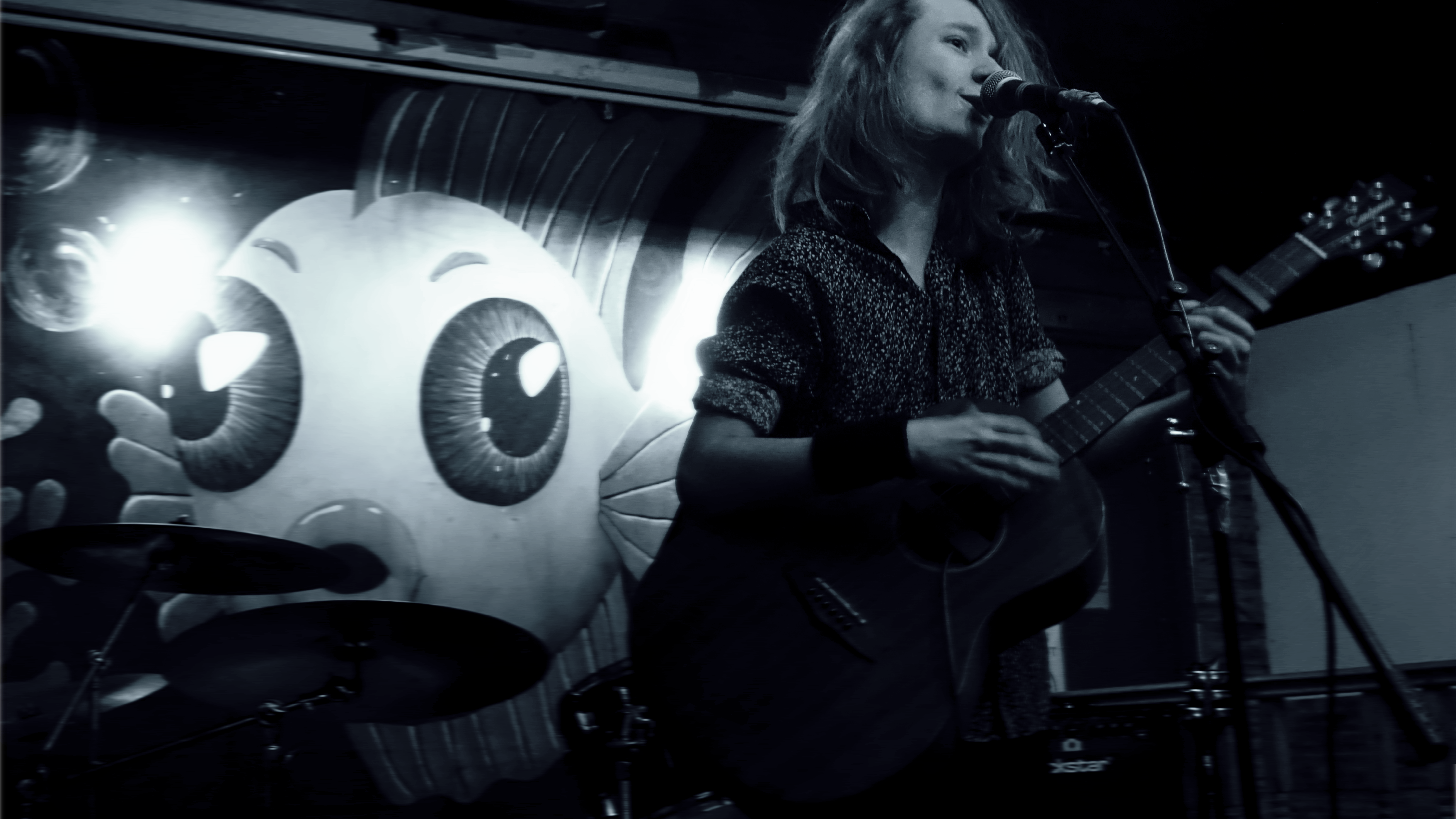
This performance video was recorded away from home on a mobile phone, and is not indicative of how my livestreams will look or sound – for that, you can find an earlier performance on the Helix attached in my development diary.
Electronic Press Kit
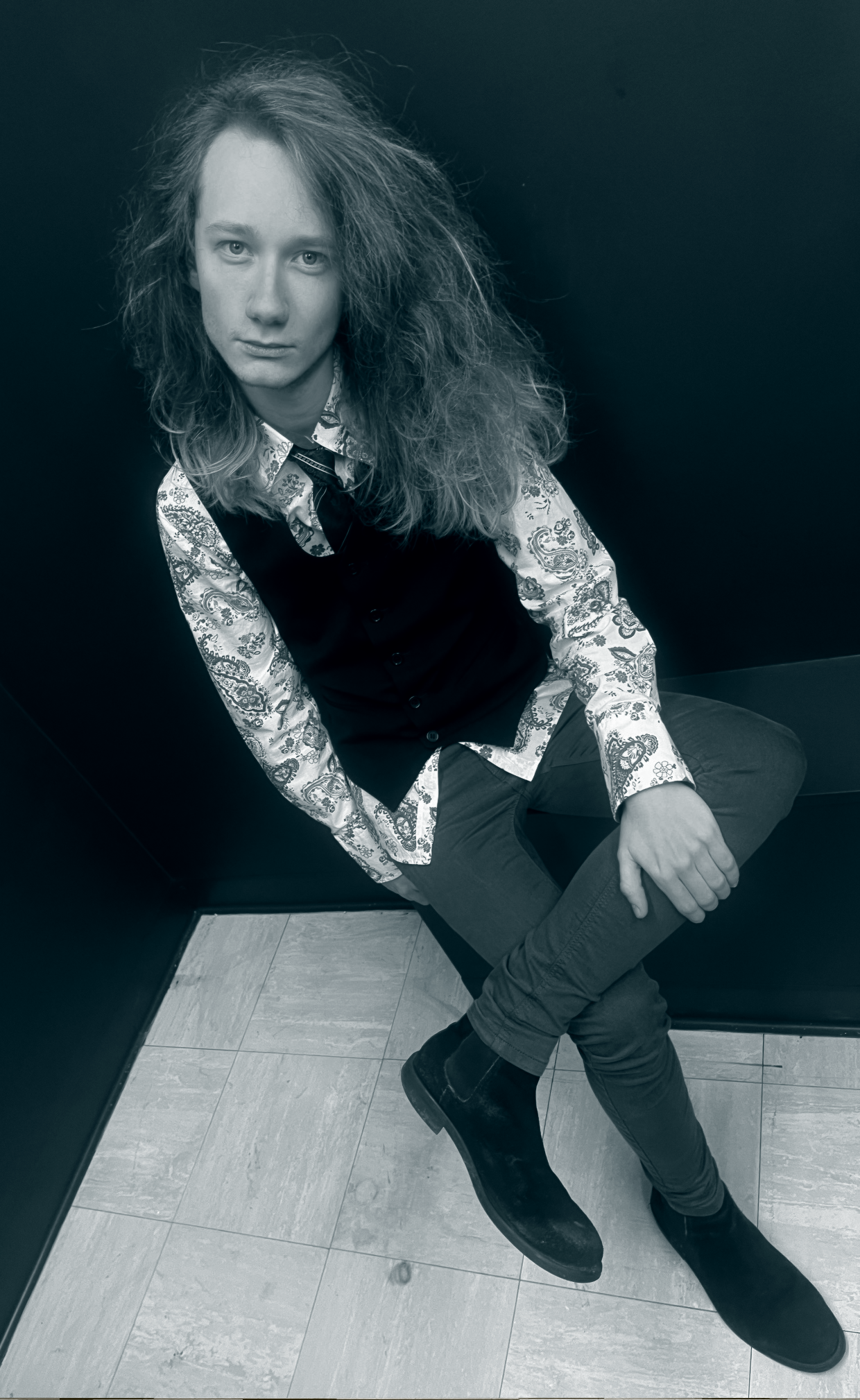
This collection of professional materials, including a biography/brand statement, performance photos and videos, and contact information will serve me well as a succinct and easily accessible presentation of who I am, what I do, and how to reach me – whether you’re writing an article, looking for an interview, or considering booking me for a show.
Evaluation
Professionalism
Evidence and evaluation of professionalism within this project/portfolio of
work (LO1)
Read Evaluation
Throughout my time at WaterBear, my biggest struggle has always been maintaining a consistent workflow. While my injury necessitated the rearrangement of certain activities, I was able to get far more work done prior to the final stretch than I have for previous assignments, and I believe this is due in large part to how I structured my development diary. It seems small, but colour coding by learning outcome allowed me to adequately portion my time between them, and frequently checking off tasks kept me motivated to continue.
I will be using a lot of these project management tools to hold myself accountable and stay productive post-uni, but my approach to work and art has also improved holistically. I’m kinder to myself, I take better care of my voice, and these things have made me more productive and reliable as a creative and performer. These skills were vital in managing to stay adaptable despite my injury, as while I was afforded an adjusted deadline, I had less access to tutors during this time and had to stay independent and driven in my research and pursuit of technical improvement as a result.
Setting up my professional network early allowed me to seek testimonials and develop a CV, with my proximity to notable Medway musicians and community figures aiding me greatly in my development of S2. My website’s EPK is now complete with professional photos, and I’m looking forward to experimenting with more creative shoots. I’m sure I’ll continue to tweak and revise the bio as I grow and change as an artist and a person, but I’m very proud of the writing voice I was able to develop – with tutors agreeing it complements my USP and feels very genuine.
Beyond my EPK, my website more broadly was a large focus this term. I greatly enjoyed revamping my site and using it to present WB10’s S2, and I was eager to push that further here. I believe the quality of this submission not only eclipses my prior assignments here at WaterBear, but also makes it abundantly clear that any future additions to my site – streaming links, tour dates, merchandise, etc. – will be presented in a professional and engaging manner.
Techniques
Evidence & evaluation of key techniques, systems, technologies and
methods used (LO2)
Read Evaluation
Musically, I’m in the best shape I’ve ever been – with a newfound grasp on my vocal range melding with my understanding of dynamic to slowly but surely forge me into a better performer. I also compounded upon my prior experience with multi-FX units to further strengthen my material through use of a pedalboard, taking my live sound to the next level. Mixing techniques informed my choice of pedals and approach to arrangement, and those arrangements fed back into my home studio recordings – this was a deliberate and cyclical process that’s made my songs better both on and off the stage.
Demos were recorded and mixed to a higher standard than I’ve previously been capable of in large part due to Eve’s assistance, but that’s not to discredit my own knowledge of production principles – many of the technical prescriptions for achieving the desired creative effect were my own, such as use of a DI for doubling up bass notes and applying multiple reverbs of different lengths to each layer through sends.
However, the skill I’ve seen the most improvement in over the course of this term specifically is undeniably my programming capabilities. After failing to adequately document last term’s efforts, I wanted to make web design a clear focus of my diary, demonstrating the hurdles I faced and creative solutions I found to make my hand-in page as glossy as possible. Not only does this demonstrate my capacity and determination to learn any skills required of me to succeed as a creative professional, but it also presents a possible freelance venture, something I’ll touch on briefly in S2.
Enterprise
Evaluation of industry practice and commercial models evidenced and
applied in this project/portfolio (LO4)
Read Evaluation
Developing my EPK was made a lot easier by going one step beyond researching what it needed to contain, seeing how they’re supposed to look by examining the professional materials of artists I admire. The digital presence audit I conducted was instrumental not just in pushing my site towards a clear artistic vision, but moulding it into a competent industry-facing platform.
The research I conducted on further topics relevant to my career choices was enlightening, useful, and directly relevant to my S2 – informing my future use of distributors, performance rights organisations, and professional streaming, while also teaching me the importance of legal best practice in regards to copyright and insurance. It was important to me that I of course look forward, but not at the expense of reflecting back – not taking any past decisions as permanent, and reassessing their efficacy based on where I am today. These exercises have prepared me for eventualities pertaining to my site, merchandising opportunities, and my career more broadly.
Finally, reflecting on my USP and goals as a musician and creative more broadly was a large motivating factor behind my newfound professional interest in livestreaming, something I’ve previously only engaged in casually. I’d like to innovate in this space, providing a supportive environment that blends my art, my values, and the rest of my hobbies into a flexible business venture – something you can read more about in my S2.
Innovation
Evidence and evaluation of Innovation used within this project/portfolio
(LO5)
Read Evaluation
Creativity is innovative in and of itself, and I’m proud of the material I wrote both this term and across my entire FMP. My diary offers insight into my creative process and artistic intent, subverting cliches and drawing from a wide range of influences in music and the arts more broadly. My process has been refined over my years here, and while I frequently expand on my drafts with additional sections or use of harmony, I’m consistently writing at a standard I’m proud of within a shorter time frame. Writing in short bursts was one of many handicaps I placed on myself this term, and I greatly enjoyed and benefitted from my holistic experimentation with limitations.
From denying myself the ability to excessively comp layers to perfection, to muting strings of my guitar, the ethos of limitation was heavily present throughout my work – and nowhere was this approach clearer than in my use of technology. Multi-FX units are no doubt versatile, but rather than tailor-make a profile out of near limitless effects for one specific piece as I’ve done in the past, my use of the Helix this term was about narrowing down my selection of elements to save costs when assembling my own pedalboard. This time, I was tailoring pre-existing material to a setup I’d set in stone, and in the instance of Honeymoon, this deliberate approach led to a better arrangement for both live performance and home studio recording.
Conclusions
I chose this project because I didn’t want to start with bold plans for an EP, inevitably scale my project timeline back to a rushed single release marketed on platforms I failed to adequately build, and finish university with a collection of demos in varying states of disrepair and a considerable distance between myself and any professional contacts I’d made in Brighton. Instead, I chose to dedicate my last year here towards setting the foundations for my career by building a framework that will last me long into the future. This way, when I do release something, people will see it – and critically, I’ll know that I can do it again.
I find it easier to organise and take care of myself from the comfort of a home environment, and while I’m aware that there are still certain hard limitations I’ll face without a studio environment or the exceptional investment required to turn my living space into one, I found my research sufficiently compelling in convincing me to stick with home recording. I believe any resulting imperfections are an acceptable cost – especially with intimacy, vulnerability, and authenticity being so integral to my USP.
My EPK is a strong professional foundation that I’ve proven I have the skills to improve over time, refreshing the photos when needed and adding press releases for new singles alongside any coverage I may acquire. This also ties directly into S2, with my professional network directing me towards relevant local blogs and magazines to send my press materials to.
My newly-gained experience performing with pedals informed my decision to cut the auto-harmoniser from my blueprint, allocating my budget according to the versatility and importance to my overall sound each pedal possesses. While I have the funds now to invest in the most basic possible version, I’ll be holding off as my DAW sound continues to develop – putting money aside every month and trying equipment in music shops until I find the right fit for my sonic profile.
My pedals can also be integrated directly into my livestream setup through my audio interface, making my streams more professional and keeping my sound consistent no matter where you hear me. I think this mix of live sound and direct interaction with fans creates a really vulnerable atmosphere that my pedals will not only enhance, but send straight to my viewers’ headphones.
I have some regrets about forgetting some details and failing to fill in a few diary posts here and there, but for how much I’ve struggled over the past three years this is a remarkable improvement – and I should be proud of that.
 Wispre